Hobbies & Performing Arts · Lessons
Music & Voice Lessons
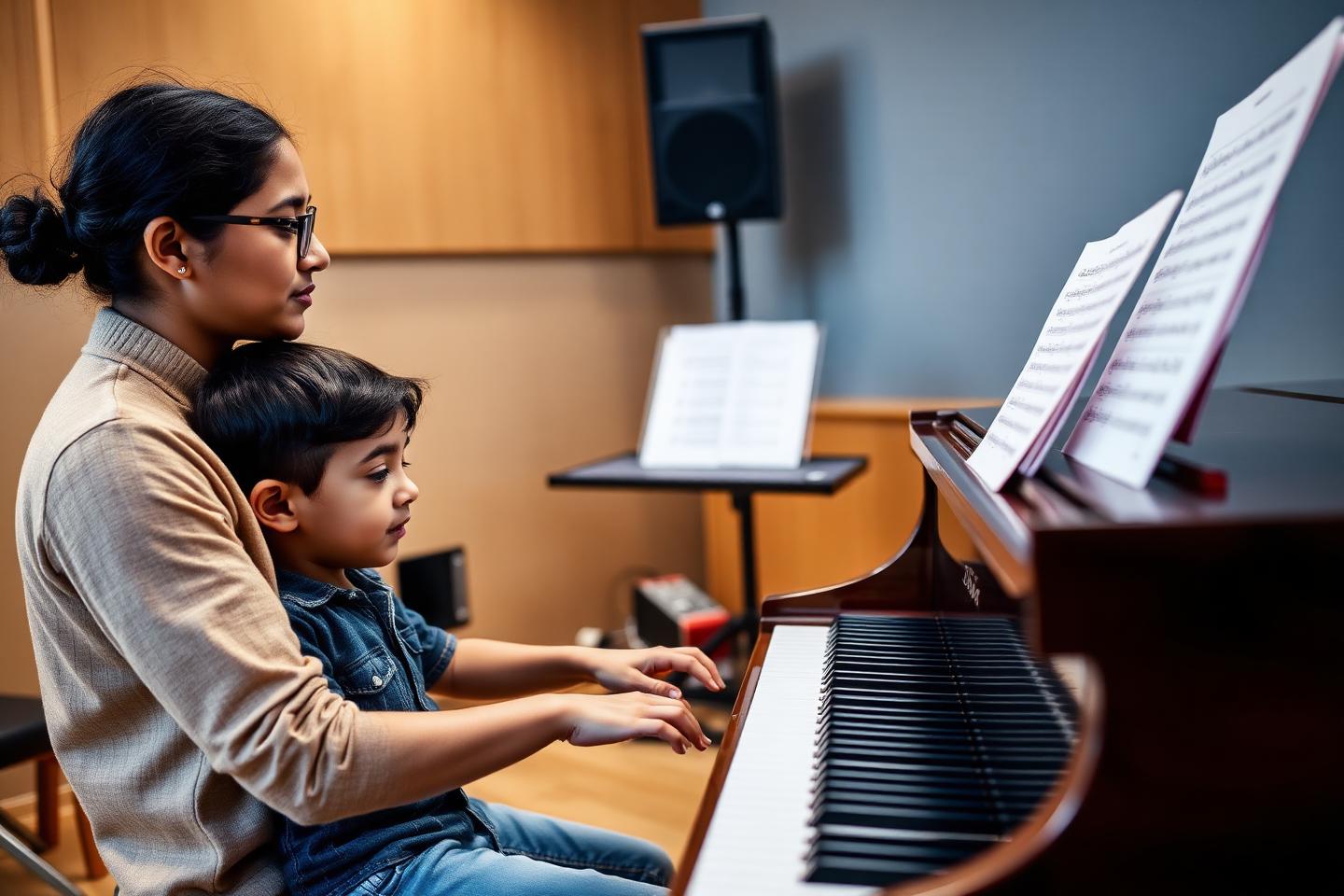
Weekly lessons with real practice habits
- One consistent teacher, matched to the student
- A weekly practice plan, not just a page number
- Low-stakes performance every term
- Graded certification supported if you want it
Get started
Talk to an advisor about Music & Voice Lessons.
Free consultation, no obligation.
What this program is
Almost every child who quits an instrument quits for the same reason, and it is not talent. It is that practice became a nightly argument with no visible progress attached — twenty minutes of playing through a piece from the top, getting stuck in the same bar, and stopping. Practice is a skill, and it is taught less often than the instrument is.
So lessons here carry two threads. The music itself — technique, repertoire, reading and ear — and an explicit practice method: what to practise, how slowly, how to isolate the bar that is actually broken, and how to know a session went well. Students leave a lesson with a practice plan for the week, not a page number.
Performance is built in, at low stakes and often. Small in-studio play-throughs and termly showcases make progress visible, which is what sustains a student far more reliably than a distant exam.
How lessons are structured
Assessment and matching
A first session with the teacher you would actually study under, covering current level, goals and what the student wants to be able to play. Matching teacher to student is most of what makes lessons work.
Technique
Posture, breath or hand position, tone and control — built early and revisited constantly, because technique problems left alone become injuries or ceilings.
Repertoire
Pieces chosen to build specific skills and to include music the student actually wants to play. Motivation is a teaching resource, not a distraction from one.
Reading and ear
Notation, rhythm, and aural work developed alongside playing, so a student can learn independently rather than only by imitation.
Practice method
Explicit coaching in how to practise: slow work, isolating a difficult bar, spacing, and how to end a session in a good place. Reviewed weekly like any other skill.
Performance and certification
Regular low-stakes performance, and graded exam preparation for students who want it — including the specific requirements of the board being entered.
Format and logistics
- Live 1:1, online or in person where available
- 30, 45 or 60 minutes weekly
- From around six, through adult
- Voice, piano, guitar and others — ask on your consultation
- Termly showcase, participation optional
- Teachers working with minors are background checked
What you leave with
- A repertoire the student can actually perform, not just get through
- A practice method that works without a parent supervising it
- Reading and aural skills strong enough to learn a new piece independently
- Graded certification, where that is the goal
Pricing
Pricing for this program depends on format, cadence and length, so we quote it on the consultation call rather than publishing a number that would be wrong for most families. Ask an advisor — the call is free and there is no obligation.
Common questions
Please read before enrolling
Tuition and group classes only. Progress depends on regular practice and attendance; we do not award qualifications, and performance or audition outcomes are not guaranteed.
Ready to start?
Book a free 20-minute consultation. We'll review goals, timeline, and recommend a coach.
Request your consultation